 >SEO Company> The Future of Search: How Multimodal Search Is Changing the Way Customers Find Businesses
The Future of Search: How Multimodal Search Is Changing the Way Customers Find Businesses
A customer spots a beautiful necklace in a magazine. They do not know its name, the type of setting or even the right words to describe it. But they have a photograph. A quick upload and a simple question could take them closer to finding something similar. No lengthy description. No guessing the right keywords. Just an image and a search. Something interesting is happening here: the search box is no longer the only starting point for discovery. Welcome to the world of multimodal search.
In a Nutshell
What if your next customer never types a single keyword to find your business? With multimodal search, a photograph, a spoken question or even a video can become the starting point of discovery. The way people search is changing, and businesses need to understand what that means for their online visibility.
When Search Learns to See, Hear and Understand
Until recently, you were able to conduct any type of search on the Internet by entering relevant keywords in the search engine. With multimodal search, this user interface will be reshaped through the introduction of multiple types of data entry methods that include text, images, sound, and videos. Consider what multimodal search can enable us to do:
- Images: Upload an image of the dress that you want.
- Voice: Request for a restaurant close to your location without typing anything.
- Video: Use a video frame to determine the product or place.
- Combined Inputs: Upload a picture of the necklace and request for its similar products under a certain budget.
People no longer need to translate everything they want into keywords. They can simply show or describe it. But what happens when this changes the starting point of a customer's buying journey?
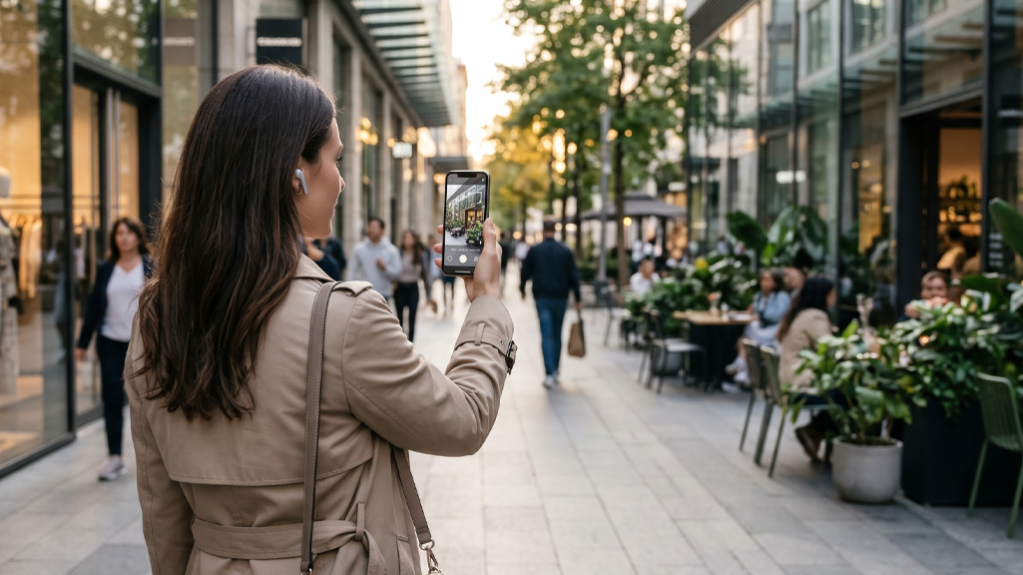
Your camera is your next keyboard.
— Prabhakar Raghavan, Google
The Customer's Search Journey Takes a Different Turn
Consider someone looking for a particular gold necklace. Earlier, they might have searched for "traditional gold necklace designs". Now, they can upload an image and look for similar images. They can filter their search on the basis of style and price. Their search becomes more precise because they can show something that they might not be able to express in words.
Such behaviour can also apply to restaurants, clothes shops, interior decorators, travel agencies and numerous other businesses. A customer may take a photo of food, find out furniture through a video clip or even ask for a nearby service by voice.The discovery process is no longer confined to what customers know how to type. And this creates a rather interesting question for businesses: how do you become visible in a search that may never contain your business-related keywords?
Being Found Beyond the Search Box
This is where multimodal search starts to matter to businesses. A jewellery store may be discovered through its product photographs, while an interior design company may appear through images of its completed projects. A restaurant could attract attention through photographs of its dishes and accurate local information.
The possibilities extend beyond simply appearing in search results:
- Visual discovery: Customers can find products through similarities in appearance.
- More specific searches: Detailed queries can connect people with relevant products and services.
- Local discovery: Voice and location-based searches can help customers find nearby businesses.
- Multiple discovery points: Different content formats create additional ways for businesses to communicate what they offer.
However, appearing in these searches requires more than uploading attractive photographs or publishing occasional videos. Search engines need to understand what businesses are presenting. So, what should businesses change on their websites?
In a Nutshell
What if your website could answer a search that never mentions your business by name? That is the opportunity multimodal search brings. By making images, videos, descriptions and website information easier for search engines to understand, businesses can create more ways for customers to discover what they offer.
Making SEO Ready for a Multimodal World
Search Engine Optimization (SEO) remains important, but SEO goes way beyond keyword-based search. The digital content needs to have meaning and be understood in various ways.
A few important areas deserve attention:
- Give images context: Use descriptive file names, relevant alt text and clear product photographs.
- Go beyond short descriptions: Include details such as materials, colours, dimensions, features and uses.
- Make videos informative: Add relevant titles, captions, descriptions and transcripts.
- Organise website information: Use structured data to help search engines interpret products and services.
- Keep local details accurate: Maintain consistent business addresses, contact information and opening hours.
- Make mobile searches easier: Ensure the website loads quickly and works smoothly on mobile devices.
These techniques help search engines understand information provided by a business online, even though there is no assurance of a particular search ranking. The general principle is to ensure that any information published by a business is understandable, irrespective of the manner of search. This may be the most significant change that businesses should realize.
In five years’ time, at least 50% of all searches are going to be either through images or speech.
Andrew Ng – AI Researcher and Co-founder of Google Brain
Final Thought
For a long time, businesses have worked towards being found through the right keywords. That still matters, but the search journey is becoming more expressive. Customers can now begin with a photograph, a spoken question or a combination of different clues.
It’s not just about appearing online when they enter the right keywords into their search engine anymore. It’s about being understood even when they search for your business in ways you didn’t anticipate.
The next person looking for what you sell might never type its name. They might just show a picture. Will your business know how to answer?